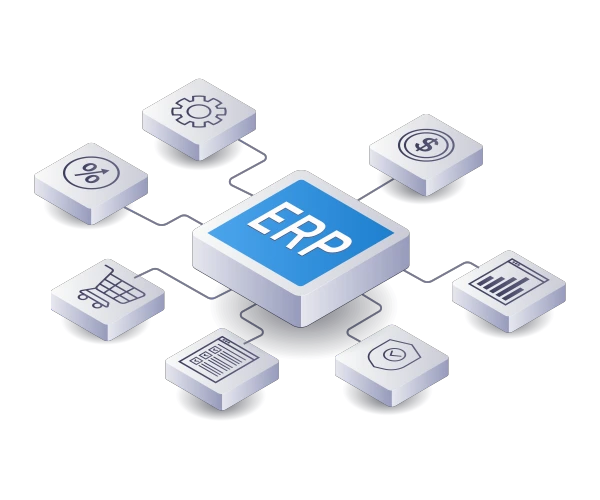
Enterprise Resource Planning (ERP) systems are critical for modern businesses aiming to streamline operations, improve productivity, and support growth. Odoo, a leading open-source ERP platform, stands out for its flexibility, affordability, and broad range of capabilities. Hiring the right Odoo developer can help you build a cost-effective ERP solution tailored to your business — without overburdening your budget.
This guide walks through the process of building a budget-friendly ERP system with Odoo, covering the key decisions and strategies that actually control cost.
Why Choose Odoo for Your ERP Solution?
Before getting into cost-effectiveness specifically, it's worth understanding why Odoo is a preferred choice for ERP development in the first place:
- Open-Source Nature — With no licensing fees, Odoo offers a significant cost advantage over proprietary ERP systems.
- Modular Architecture — Businesses can start small, implementing only the modules they need, and scale up as they grow.
- Customizability — Odoo can be tailored to fit specific business processes, ensuring efficiency rather than forcing a generic workflow.
- Wide Community Support — Odoo's global community provides extensive resources, plugins, and updates.
Steps to Build a Cost-Effective ERP Solution with Odoo
1. Define Your Requirements Clearly
The first step toward a cost-effective ERP is understanding what your business actually needs. Avoid implementing unnecessary modules or features that add complexity and cost without real value.
- Core needs: Focus on essential areas like inventory, sales, accounting, or CRM.
- Future needs: Identify functionality you might need later, so you can plan for scalability without overbuilding now.
2. Hire the Right Odoo Developer
Choosing the right developer is critical to balancing cost and quality:
- Experience level: Junior developers can handle straightforward tasks affordably, while senior developers are better suited for complex customizations.
- Certifications: Look for Odoo-certified developers as a signal of verified expertise.
- Portfolio: Review past projects to gauge skillset and industry familiarity.
3. Use Pre-Built Modules
Odoo's ecosystem includes a wide range of pre-built modules covering most standard business functions. Using these instead of building from scratch saves both time and money - an experienced developer can help you select and integrate the right modules for your specific needs.
4. Opt for Incremental Implementation
Rather than a full-scale rollout, implement your ERP in phases:
- Start with the most critical modules first.
- Add capability gradually, based on business priority and budget.
This phased approach reduces upfront costs and minimizes disruption to daily operations.
5. Leverage Cloud Hosting
Hosting your Odoo ERP on the cloud removes the need for costly hardware and decreases IT protection costs. Cloud web hosting additionally guarantees scalability and facts security, making it a brilliant preference for fee-conscious groups.
6. Focus on Customization Where Necessary
While customization can boost costs, it’s important to strive for stability. Customize only in which vital to align Odoo together with your particular workflows. Skilled builders can optimize the platform without over-complicating it, saving both time and resources.
7. Plan for Long-Term Support
Post-implementation support is essential for resolving issues, applying updates, and training your team. Choose developers or partners offering reasonable long-term support packages rather than treating implementation as a one-time transaction.
Benefits of Hiring an Odoo Developer for a Cost-Effective ERP
1. Reduced Development Time
An experienced Odoo developer knows the platform thoroughly, enabling faster implementation and avoiding costly mistakes.
2. Tailored Solutions
A dedicated developer ensures your ERP fits your business precisely, avoiding unnecessary modules and features.
3. Scalability
The right developer builds an ERP that grows with your business, saving you from expensive overhauls later.
4. Lower Maintenance Costs
Properly implemented systems are easier to maintain, reducing long-term costs.
Tips to Keep ERP Development Costs Low
- Choose open-source over proprietary — Odoo's open-source model eliminates licensing fees entirely.
- Optimize workflows first — Analyze and streamline your existing processes before development, reducing unnecessary customization.
- Outsource wisely — Hiring remote developers from cost-effective regions like India or Eastern Europe can deliver strong work at competitive rates.
- Invest in training — Equip your team to manage the system effectively, reducing long-term reliance on external support.
- Negotiate contracts — If hiring an agency, negotiate bundled pricing for development and support together.
Conclusion
Building a cost-effective ERP solution isn't about cutting corners. It's about smart planning, leveraging Odoo's strengths, and hiring the right developer to bring your vision to life. By clearly defining your requirements, prioritizing essential features, and working with an experienced Odoo developer, you can build a robust, scalable ERP system without overspending.
Whether you're a small business digitizing operations for the first time, or a growing company aiming to improve efficiency, Odoo provides the tools and flexibility to meet your needs affordably.
FAQ
Costs vary based on the number of modules, level of customization, and developer experience — starting lean with core modules and scaling incrementally is the most reliable way to control cost. See our detailed cost breakdown for specifics.
Junior developers can handle straightforward configuration affordably; senior developers are better suited for complex customizations where mistakes would be costly to fix later.
Generally yes — cloud hosting removes upfront hardware costs and ongoing IT maintenance overhead, while also improving scalability.
Timeline depends on scope and customization level; a phased, incremental rollout typically reduces both time and cost compared to a full-scale implementation.