
Odoo ERP for the Textile Manufacturing Industry
Optimize Textile Manufacturing Operations
Optimize every stage of textile manufacturing with Odoo ERP.
Textile manufacturing requires precise management of fiber sourcing, yarn production, weaving, knitting, dyeing, finishing, quality control, inventory, maintenance, and compliance. Odoo ERP for the Textile Manufacturing Industry centralizes every aspect of your operations into a single platform, helping you optimize plant performance, improve production visibility, streamline maintenance, and ensure safe, efficient, and sustainable textile manufacturing.
Quick Contact
Fill in your details and we'll get back to you shortly.
WHY CHOOSE US
Why Textile Manufacturing Industry
Choose Odoo ERP?
The textile manufacturing sector operates under constant production, quality, material, machine, and supply-chain pressure, demanding a specialized Textile Manufacturing Management System.
Raw Material Logistics
Coordinating fiber, yarn, fabric, dye, chemical, trim, packaging, and supplier deliveries for smooth manufacturing operations.
Production Process Monitoring
Monitoring spinning, weaving, knitting, dyeing, finishing, machine load, and production status to maintain consistent textile quality.
Infrastructure Maintenance
Managing the maintenance of spinning frames, looms, knitting machines, dyeing machines, boilers, compressors, finishing lines, and inspection equipment.
Safety & Compliance
Ensuring compliance with worker safety, chemical handling, textile quality standards, environmental norms, and customer audit requirements.
Multi-Product Sales Tracking
Tracking multiple revenue streams, including yarn, greige fabric, dyed fabric, finished textiles, private-label orders, bulk contracts, and export shipments.

100%
Traceability for Textile Manufacturing
Business Challenges
The textile manufacturing industry requires efficient management of raw materials, production planning, plant operations, dyeing, finishing, quality control, maintenance, compliance, and financial processes. Disconnected systems and manual operations reduce efficiency, increase operational costs, and limit production visibility.
By connecting every business function on a unified Odoo ERP for the Textile Manufacturing Industry, organizations can streamline operations, automate workflows, optimize plant performance, ensure quality and compliance standards, and make data-driven decisions with real-time insights.
Key Features
Textile Manufacturing Management System
Laboratory and Production Process Monitoring
A robust Textile Manufacturing Management System must provide tools for precise process and quality control:
- Automated Lab Entry: Log GSM, shade matching, shrinkage, tensile strength, color fastness, pH, and inspection results directly into the system for instant trend analysis.
- Fabric Quality Tracking: Monitor defects, shade variation, GSM, width, shrinkage, finishing quality, and packaging accuracy to ensure every batch meets required standards.
- Alert Systems: Trigger immediate notifications for operators if any production, machine, quality, dyeing, or inventory parameter deviates from the expected range.
Inventory and Fabric Logistics Management
Manage fibers, yarn, fabric rolls, dyes, chemicals, trims, packaging materials, and finished goods with the same precision as your core manufacturing process:
- Product and Material Management: Track fiber lots, yarn cones, fabric rolls, dyed batches, trims, chemicals, packaging materials, and finished SKUs across every production stage.
- Distribution Logistics: Coordinate supplier pickups, plant transfers, warehouse dispatches, customer deliveries, and export shipments with integrated fleet management.
- Warehouse and Roll Storage Monitoring: Maintain real-time visibility of raw material stock, fabric rolls, dye batches, packaging stock, and finished goods inventory.
Safety Compliance and Workforce Management
Operate safely in a textile manufacturing environment with integrated compliance tools:
- Safety and Quality Logs: Maintain digital records of machine inspections, chemical handling, fabric inspections, environmental checks, and worker safety activities.
- Certification Management: Store compliance certificates, customer audit files, environmental permits, supplier documents, lab reports, and inspection records in a centralized document management system for easy access.
- Shift Handover Protocols: Ensure that production status, machine issues, dyeing priorities, quality notes, dispatch schedules, and maintenance updates are communicated clearly between operator shifts via digital logbooks.
Explore Odoo Modules
Powering Every Aspect of Your Business
Sales & CRM
- CRM
- Sales
- Subscriptions
- Rental
- Point of Sale (POS)
Finance
- Accounting
- Invoicing
- Expenses
- Documents
- Approvals
Inventory & Supply Chain
- Inventory
- Purchase
- Barcode
- Quality
- Maintenance
- Repairs
Manufacturing

- Manufacturing (MRP)
- PLM (Product Lifecycle Management)
- Shop Floor
- IoT
- Field Service
Human Resources

- Employees
- Recruitment
- Payroll
- Attendances
- Time Off
- Appraisals
Projects & Services
- Project
- Timesheets
- Planning
- Helpdesk
- Appointments
Marketing

- Email Marketing
- Marketing Automation
- SMS Marketing
- Social Marketing
- Events
- Surveys
Website & eCommerce

- Website Builder
- eCommerce
- Blog
- Forum
- eLearning
- Live Chat
Productivity

- Knowledge
- Discuss
- Calendar
- Sign
- Spreadsheet
- VoIP
Reporting & Business Intelligence
- Dashboards
- Spreadsheets
- Pivot Analysis
- Financial Reports
- KPI Dashboards
- Custom Reports
Your Global Odoo
Transformation Partner
Our Implementation Process
Seamlessly deploying smart infrastructure for modern environments.
Discovery
Understand your business goals, challenges, and requirements.
Planning
Define the implementation roadmap, timeline, and project scope.
Configuration
Set up Odoo modules, workflows, and business processes.
Customization
Develop custom features, reports, and integrations as needed.
Data Migration
Securely migrate your existing business data into Odoo.
Testing & Training
Test the solution thoroughly and train your users.
Go Live
Deploy the ERP with minimal business disruption.
Support & Optimization
Provide ongoing support, maintenance, and continuous improvements.
Thousands of Smiles,
One ERP Solution
At Serpent Consulting, we don’t just offer ERP solutions—we redefine what’s possible for your business! In this video, hear from industry trailblazers as they share their one-word transformations—stories of how our cutting-edge ERP systems have revolutionized their operations, supercharged efficiency, and propelled them toward unprecedented growth.
- Let's turn your vision into success.
Textile Manufacturing ERP Integrations
Bring raw material procurement, production planning, dyeing, quality control, inventory, logistics, finance, and sales systems together with seamless ERP integrations.
| Rank | Integration | Purpose | Key Features | Business Benefits |
|---|---|---|---|---|
| 01 | IoT & Manufacturing Equipment Integration | Real-time monitoring of textile plant operations |
|
|
| 02 | Weighbridge Integration | Automate raw material and finished textile weighing |
|
|
| 03 | Laboratory (LIMS) Integration | Manage quality testing and laboratory data |
|
|
| 04 | GPS & Fleet Management Integration | Optimize raw material pickup and textile dispatch transportation |
|
|
| 05 | Accounting, Banking & Utility Integration | Automate financial transactions and utility billing |
|
|
Global Clientele
2+ Decades of Transformation
Insight
Happy Client Stories
Hear directly from our clients about how we transformed their business with smart solutions and dedicated support. Their success stories are a testament to our commitment, quality, and long-term partnerships.




"Discover how AeroSpring Hydroponics began with a simple idea—growing food in small urban spaces—and has expanded globally, helping homes, businesses, and commercial farms sustainably cultivate fresh produce. Learn about their challenges, including the need to streamline operations with ERP Systems, and how SerpentCS's solutions have driven their 25% growth!"
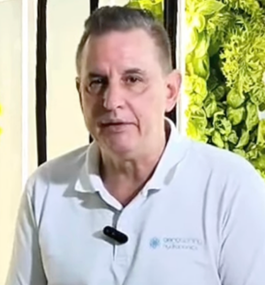
Mr. Mark Newton
AeroSpring Hydroponics

Security, Compliance & Infrastructure
Enterprise-grade protection, regulatory compliance, and flexible deployment for modern organizations.
Data Security
- Security
- Enterprise-Grade Data Security
- Role-Based Access Control (RBAC)
- Multi-Level User Permissions
- Secure User Authentication
- Data Encryption (In Transit & At Rest)
- Complete Audit Logs & Activity Tracking
- Automated Backup & Disaster Recovery
Compliance Matrix
- Secure API & Third-Party Integrations Compliance
- Odoo Best Practice Framework
- GDPR Ready Architecture
- ISO 27001 Security Best Practices
- Country-Specific Localization Support
- Digital Audit Trails
- Electronic Document Management
- Regulatory & Financial Reporting
Infrastructure
- Industry-Specific Compliance Ready Deployment
- Cloud Deployment
- On-Premise Deployment
- Private Cloud Hosting
- Hybrid Deployment
- Multi-Company & Multi-Branch Support
- Web & Mobile Access
- High Availability Infrastructure
- Scalable Enterprise Architecture
Why Partner with SerpentCS
Our goal is not just to deploy software but to help businesses maximize the value of their ERP investment.

Frequently Asked Questions
Yes. Odoo can be integrated with textile machinery and IoT gateways to pull real-time data on machine status, production speed, temperature, humidity, pH, utility usage, and equipment operating hours. This allows your Textile Manufacturing Management System to provide live dashboards and trigger maintenance alerts automatically.
Odoo’s flexible invoicing module allows you to bill for yarn, fabric rolls, dyed lots, finished textiles, private-label orders, export shipments, and contract manufacturing. The system automates pricing, taxes, discounts, and invoicing based on your specific terms.
Absolutely. You can use document management and reporting tools to track textile compliance certificates, customer audits, environmental records, lab reports, supplier approvals, batch records, and sustainability documentation for audits and customer reporting.
Yes. The vendor, customer, and logistics modules allow you to manage raw material supplier agreements, pickup schedules, plant transfers, warehouse dispatches, and customer delivery contracts. You can track material volumes, quality parameters, delivery status, and automate payments or invoicing.
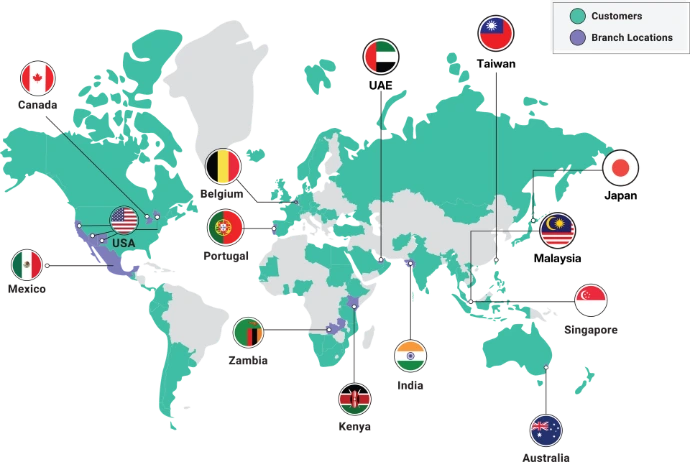
Global Presence. Local Expertise.
Let's Connect
Fill in your details and we'll get back to you shortly.
Weave Smarter Operations with Odoo ERP
Manage fabrics, production, inventory, quality, orders, and supply chains with
Odoo ERP, helping textile manufacturers improve efficiency, control costs, reduce waste, and deliver consistently.