
The clothing retail business is notoriously complex : managing inventory across sizes and colors, coordinating purchasing, handling sales both in-store and online, and maintaining customer loyalty. This is where Odoo ERP shines, providing a unified and efficient system to manage all these operations. In this post, we explore how clothing stores typically operate today, how Odoo can help, and what advantages businesses gain after implementation.
How Clothing Stores Operate Today (Manually / Legacy Processes)
Many clothing retailers still depended on a mix of manual systems, spreadsheets & disconnected software tools. Here’s a list of the common pain points:
➠ Inventory Complexity
● Clothing items come in many variants. Tracking each variant manually via Excel sheet or in-store log books is bulky & time consuming.
● Without the real-time visibility, stores frequently suffer from overstocking or stockouts.
➠ Sales & POS Disconnection
● Point of Sale systems often operate separately from inventory or purchase tools. Data entry mistakes happen: sales recorded in POS but not synchronized with central inventory.
● Multi-store scenarios (or union of online + physical) make it difficult to have a single view of inventory.
➠ Manual Purchasing & Reordering
● Purchase orders may be generated manually, based on past data or assumption. Reordering is not automated; often reactive, leading to late procurement or rushed orders.
● Supplier performance data like lead time & cost tracking is incomplete, as some expenses are managed externally.
➠ Loyalty & Customer Engagement
● Loyalty programs, gift cards, or promotions can be managed separately or via various simpler tools, leading to missed opportunities.
● Returns & refunds are always handled manually, which results in causing delays & customer dissatisfaction.
➠ Accounting & Payment Reconciliation
● Sales, purchases & inventory changes are recorded in other various systems, making financial decisions more hard.
● Month end reconciliation, invoice matching & vendor bills require manual cross checks.
➠ Physical Stock Counts
● Stock taking is time consuming, error-prone & often done only periodically, not continuously.
● Especially for retail stores, counting every variant (size, color) manually is labor-intensive.
Where Odoo ERP Can Help a Clothing Store
Using Odoo ERP, a clothing store can address all the above challenges in an integrated way. Here’s how Odoo modules map to specific clothing-store needs & leveraging Odoo’s own clothing store industry specific features.
➠ Point of Sale (POS)
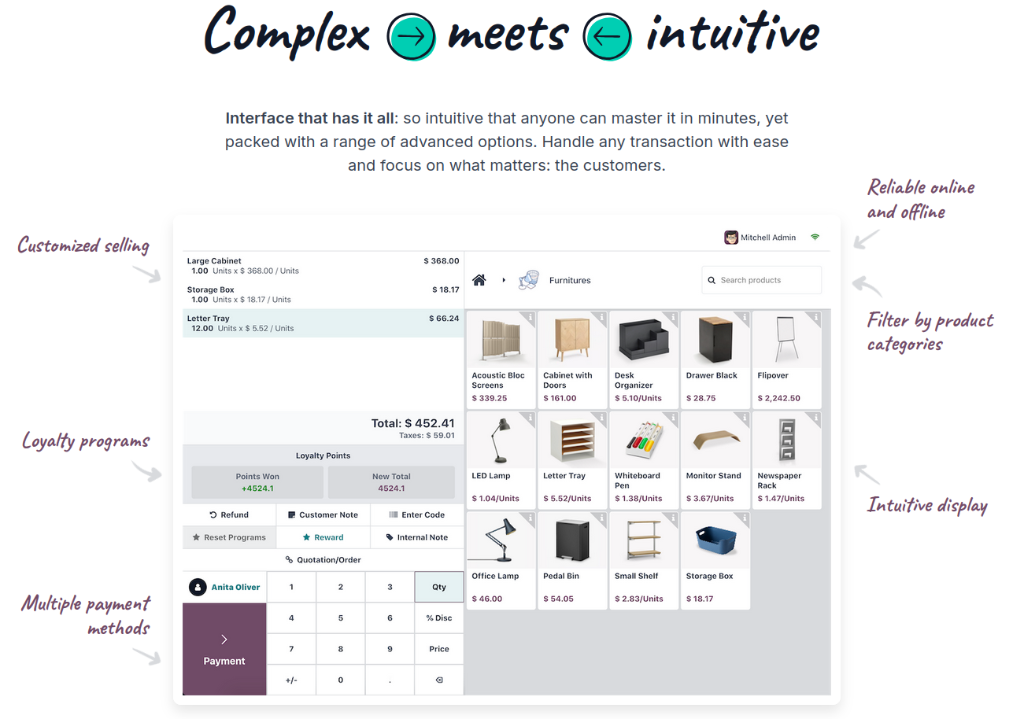
● Odoo’s POS interface is natural, touchscreen friendly & connected directly with inventory, accounting & sales modules.
● Supports multiple payment types like Cash, Banks, Credit Cards & More.
● Works in both online & offline mode which is helpful for stores with irregular connectivity. Can manage multiple cashiers, branches & warehouses, giving unified control.
➠ Inventory & Stock Management
● Real-time stock updates: when a sale is made in POS, inventory is adjusted immediately. Support for barcodes and RFID to speed up stock tracking and physical counts.
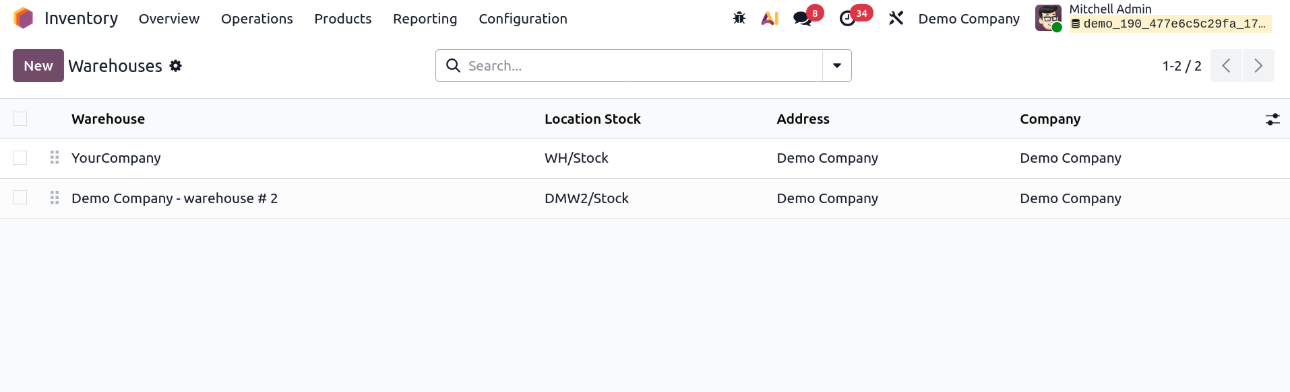
● Multiple warehouse & stock location management for stores with more than one branch.
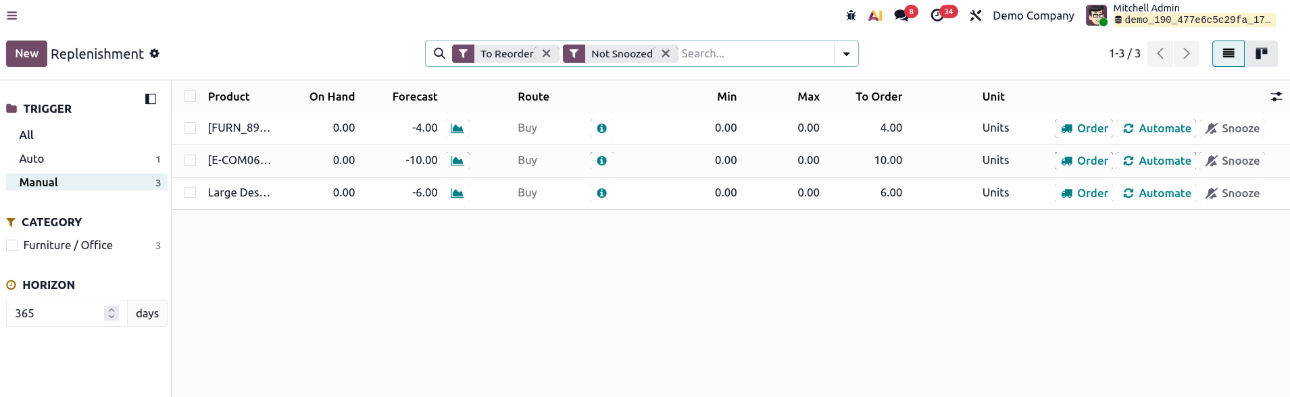
● Smart replenishment which defines reordering rules like min stock, lead time, supplier so purchase orders are triggered automatically or manually as well.
● Variant grid / matrix for clothing items : Odoo allows configuring product variants (size, color) in a grid / matrix, making ordering & display more manageable.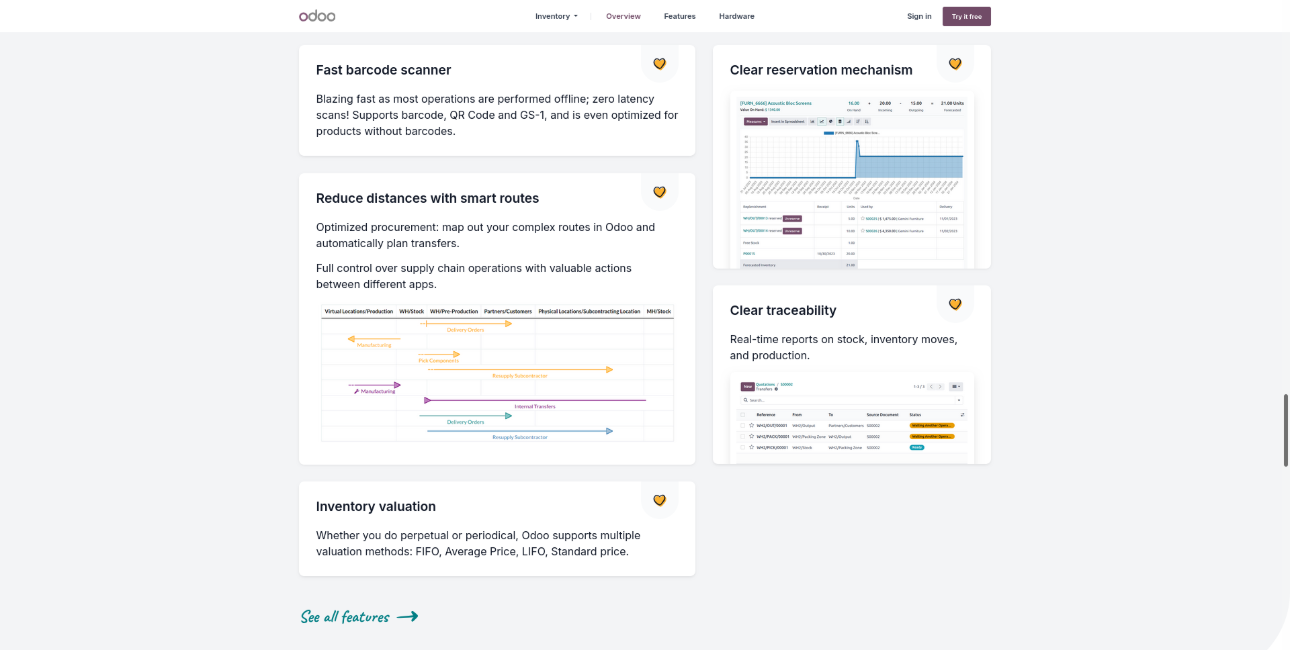
➠ Purchase / Procurement
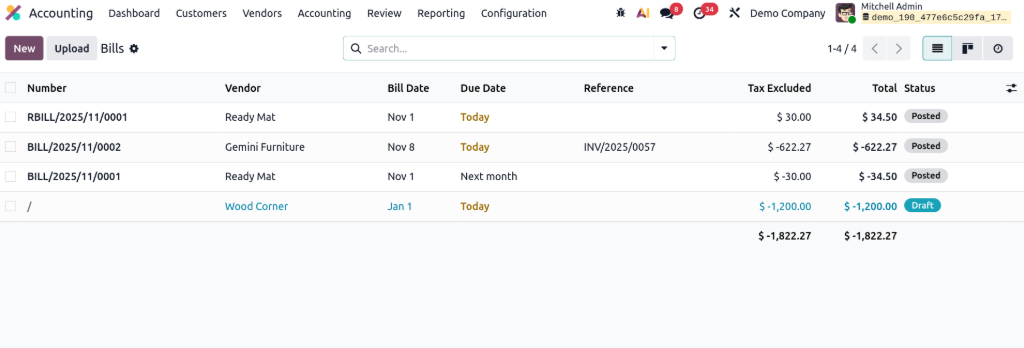
● The Purchase module is used to manage vendor interactions, send RFQs, compare offers & choose the best supplier.
● 3-way matching: PO, receipt, and vendor bill can be matched to avoid errors & overpayment.
● Reordering automation based on procurement rules: helps maintain optimal inventory without manual checks.
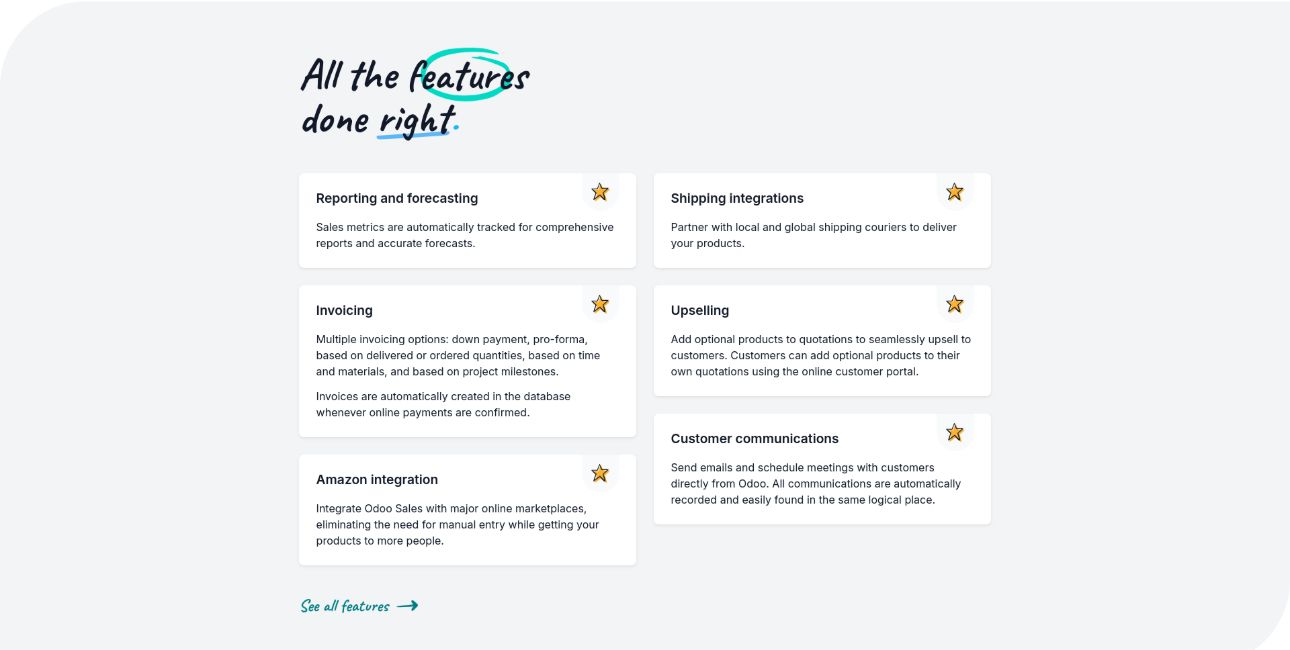
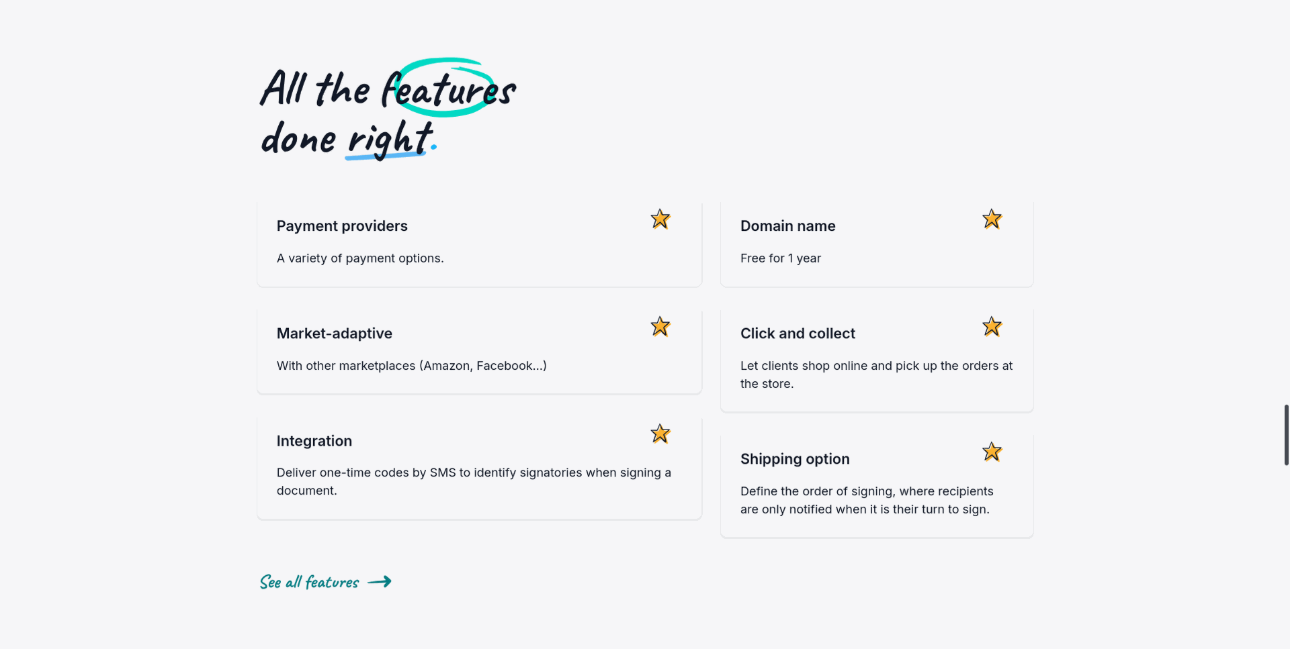
➠ Sales & ECommerce Website
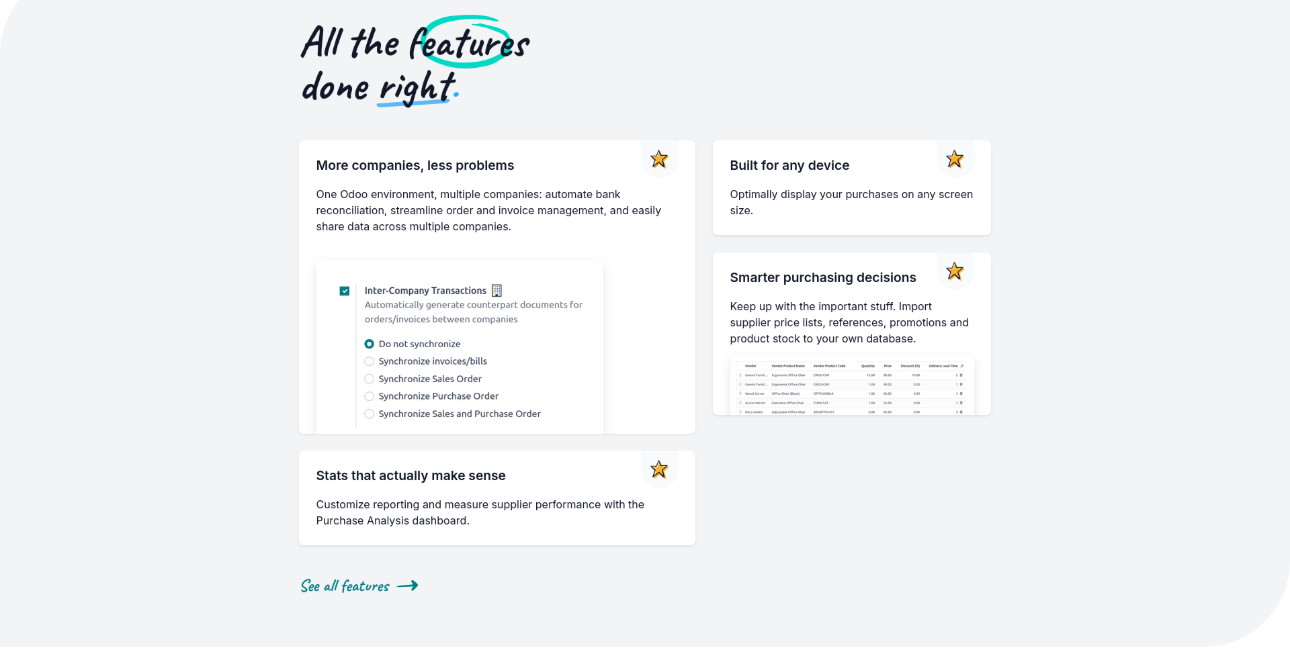
● Perfect integration between POS, sales orders & e-commerce website : both in-store & online sales are available in one system.
● Dynamic pricing & promotions : set pricing rules based on festival season, demand or customer category.
● Customer returns management (RMA): centralized dashboard for sales and returns. (As per general use cases in apparel ERP)
➠ Customer Relationship Management
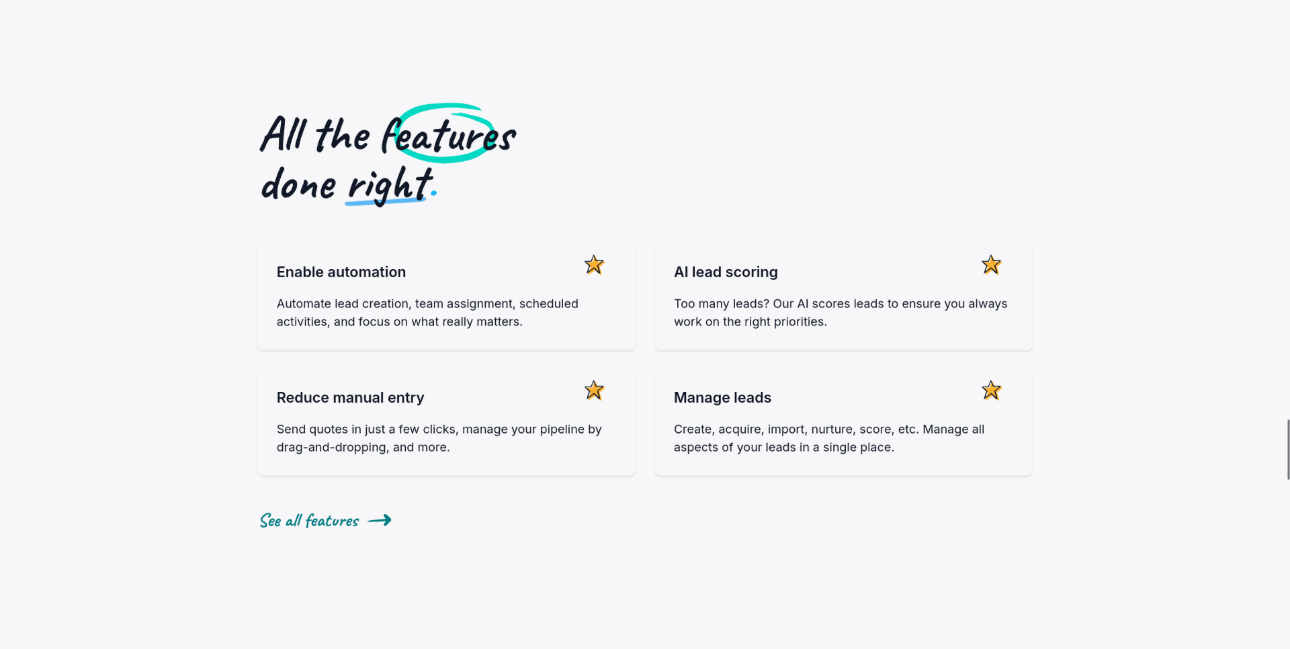
● Capture customer data from POS & e-commerce website, track purchase history & customers category.
● Marketing : integrate with Odoo Email Marketing or WhatsApp to run marketing campaigns based on customer buying behavior.
➠ Accounting & Finance
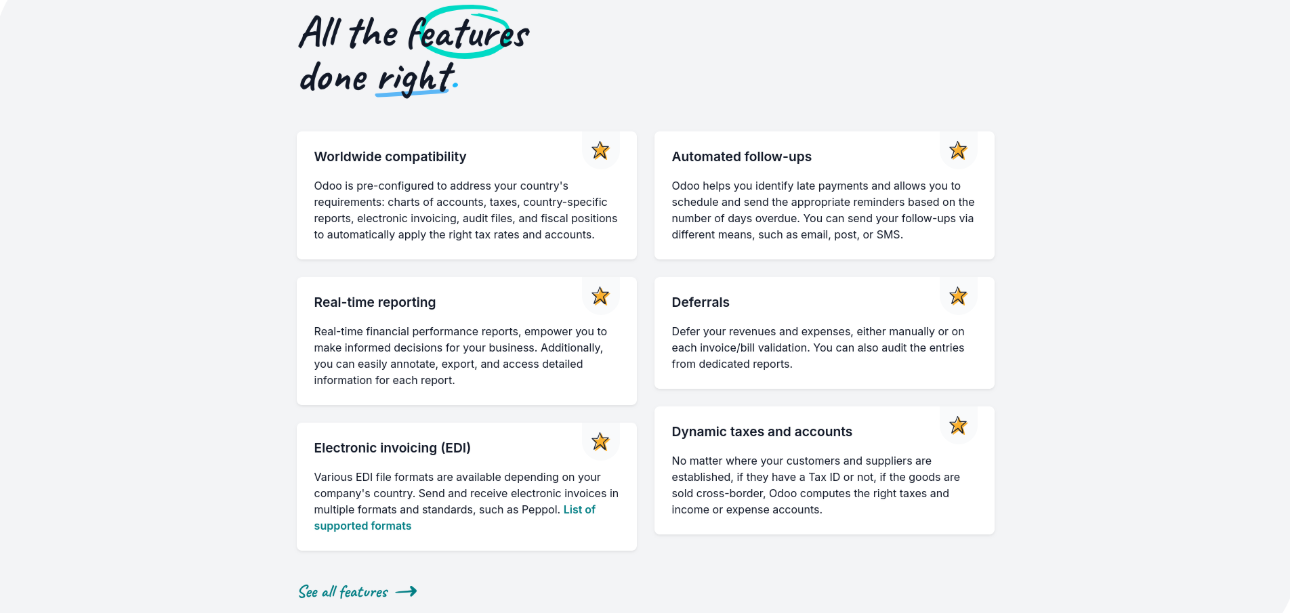
● All sales, purchases & inventory movements automatically feed into accounting: no need for manual journal entries.
● Real-time financial reporting: profit & loss, cash flow, and tax reporting are more accurate.
➠ Analytics & Forecasting
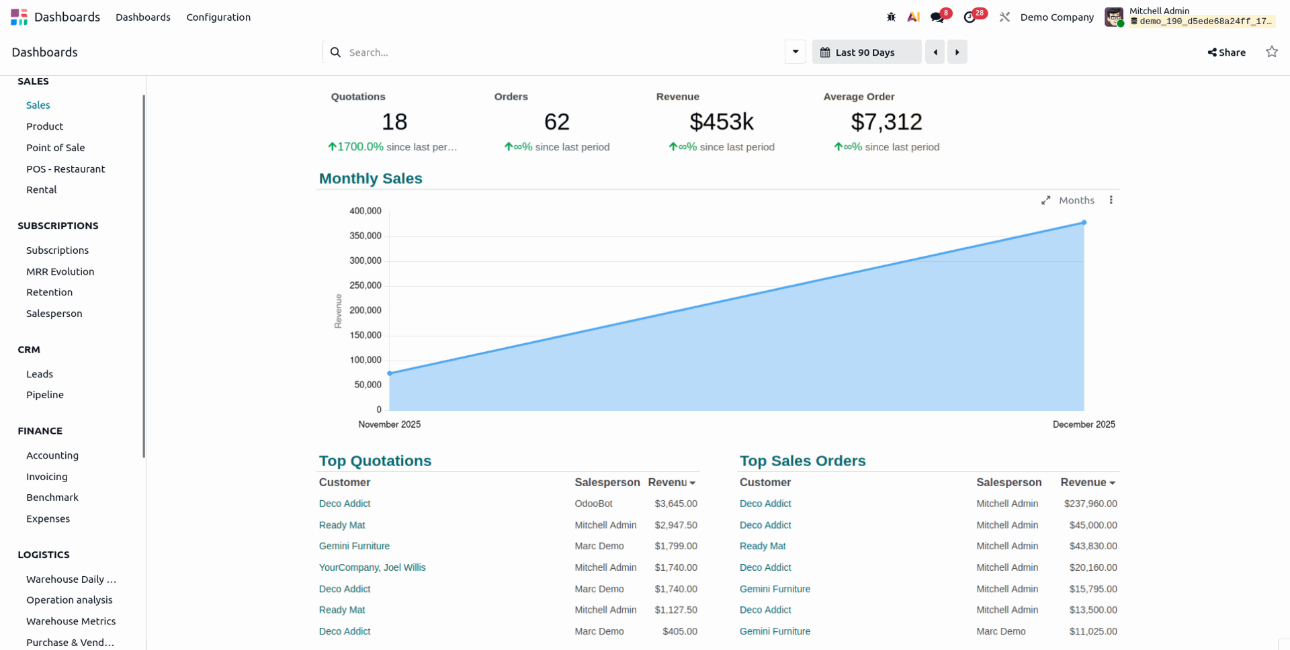
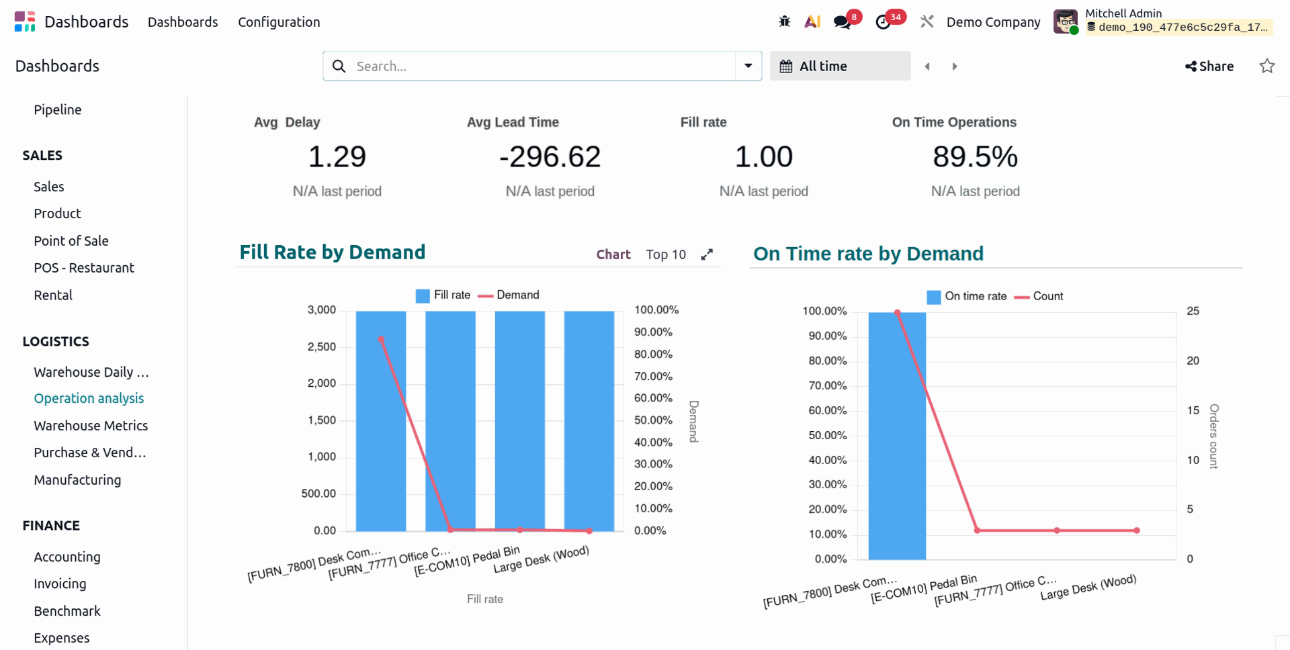
● Dashboards & reports : Odoo provides customizable reports on sales trends, stock levels & purchase procurement.
● Demand forecasting : Based on historical sales, variants & festival season, helping you plan procurement & avoid overstock / stockouts.
➠ Scalability & Omnichannel
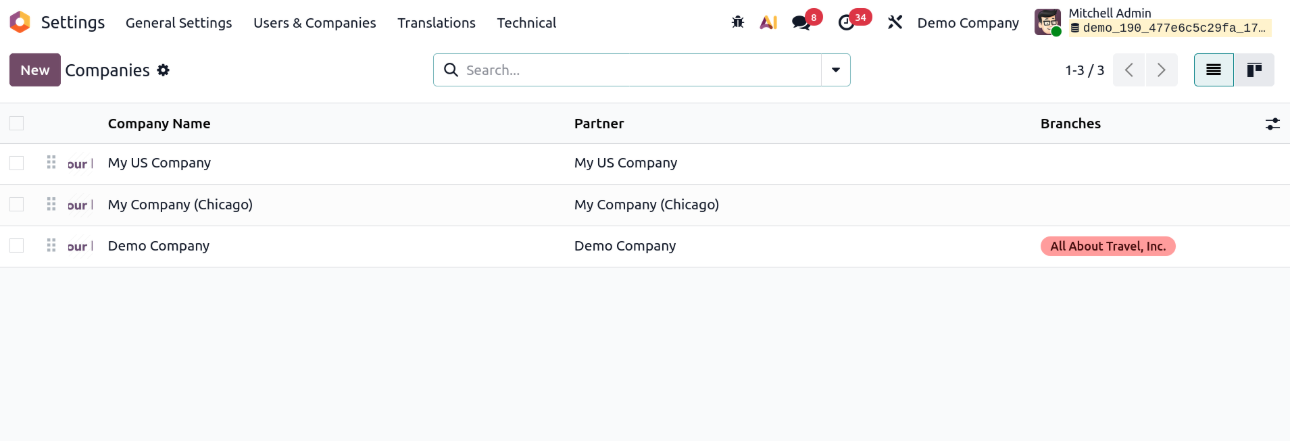
● Manage multiple physical store branches & integrate them with an online store perfectly.
● Cloud based or on premise deployments give you flexibility to handle your business processes as your business grows.
➠ Efficient Stock Counts & Audits
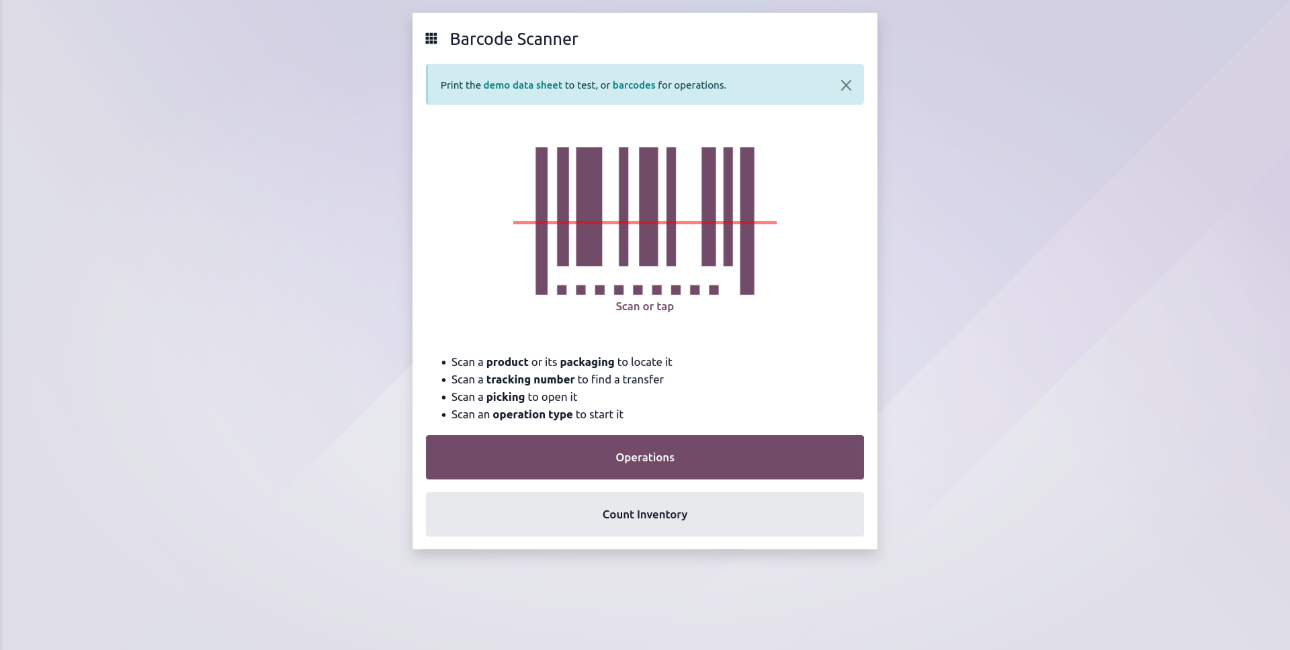
● With RFID / barcode and smart scanning, stock takes become faster & more accurate.
● Automated reconciliation of physical inventory vs system inventory helps in reducing & detection of theft / misplacement.
Advantages After Implementing Odoo ERP in a Clothing Store
● By adopting Odoo ERP, a clothing-store business can reap several advantages:
➠ Operational Efficiency
● Decrease in manual errors during data entry because of automation.
● Faster checkout, better stock visibility & smoother inventory operations.
➠ Better Inventory Management & Reduced Stock Risk
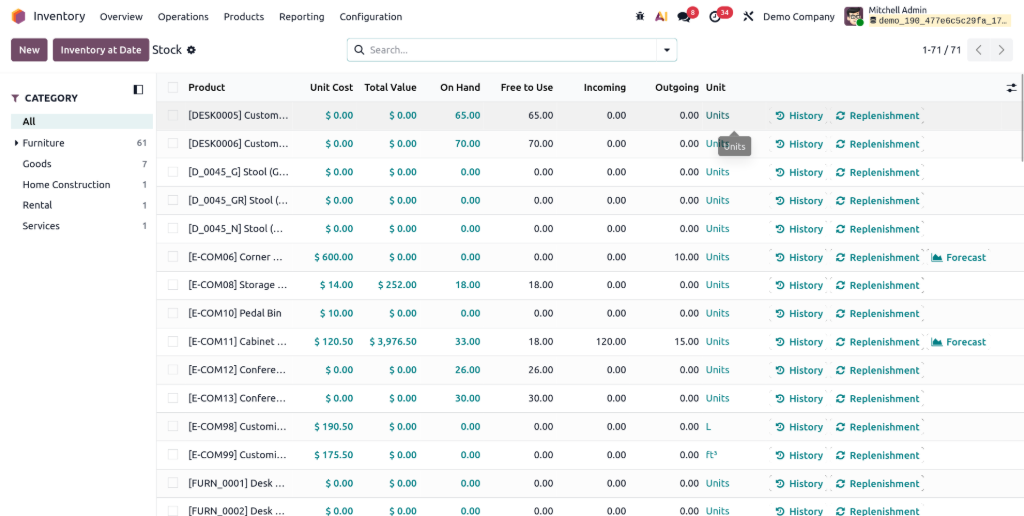
● Real-time reports of inventory help to prevent stockouts & overstock of products.
● Automated reordering rules ensure replenishment of products at the right time.
➠ Improved Cash Flow & Cost Control
● By optimizing purchases, stores can negotiate better with suppliers & reduce unnecessary orders.
● Financials are tightly integrated, helping in accurate cash flow forecasting and reducing wastage.
➠ Improved Customer Loyalty & Sales Program
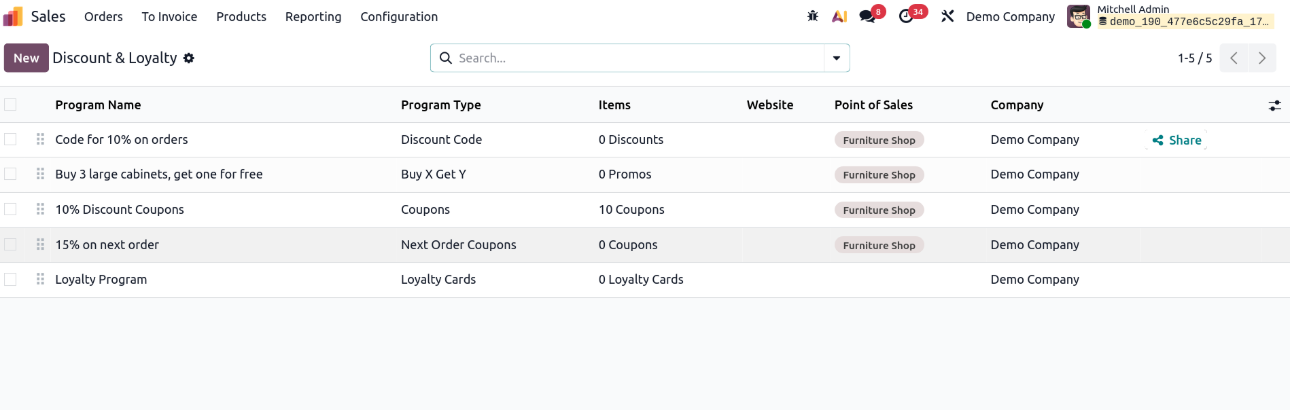
● Loyalty programs, gift cards & promotions encourage recurrent business with old customers.
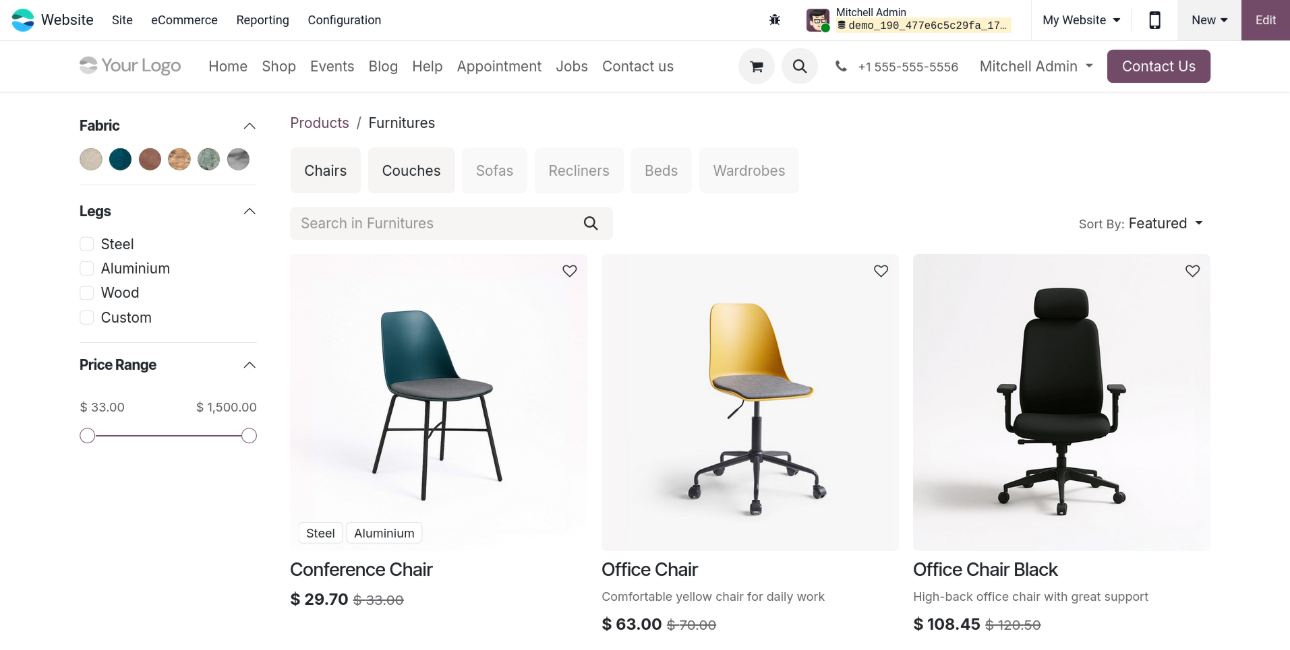
● Omnichannel experience in-store + online leads to better customer satisfaction.
➠ Scalability & Growth
● As the business opens new branches or expands online, Odoo can scale with you.
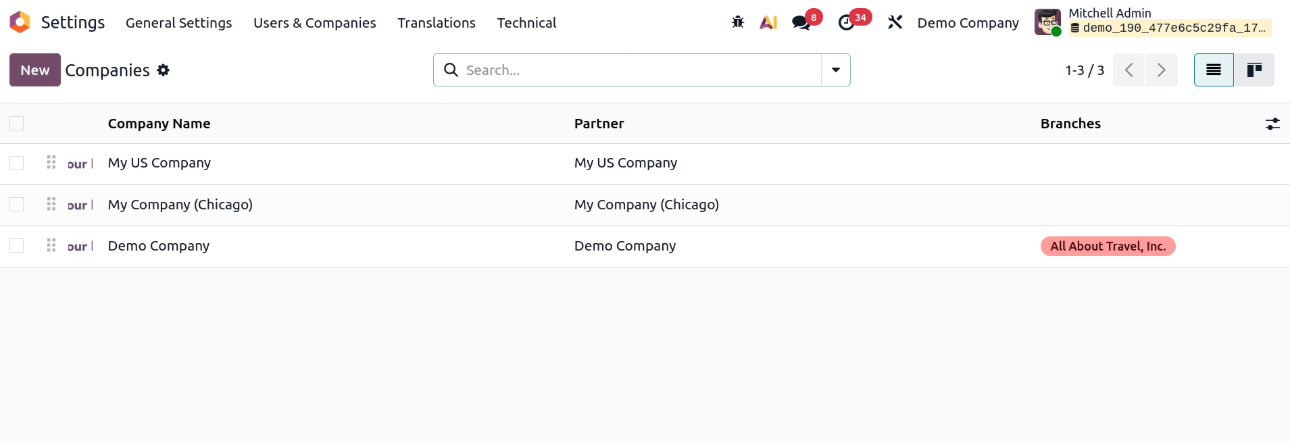
● Multi-store, multi-warehouse & multi-branch features in Odoo provide better flexibility in the clothing business.
➠ Better Decision-Making
● With dashboards, analytics & forecasting management can make data-driven decisions for example which variants to push, which suppliers to prioritize.
● Reduced wastage of money on dead stock, and improved buying strategies.
➠ Time Savings
● Faster inventory stock counts, automated purchase orders triggering & inter connected workflows between modules helps to free up staff time to focus on higher value tasks like merchandising, customer engagement.
● Less time spent reconciling data across systems.
➠ Competitive Edge
● In a fast-moving fashion retail world, the ability to respond quickly (via data) to trends, seasons & customer demand gives a major advantage.
● Efficient processes & unified systems allow small / medium clothing stores to operate like big players.
Conclusion
Implementing Odoo ERP in a clothing-store business is not just about replacing spreadsheets or old software, it's a strategic business transformation. Integrated modules like POS, inventory, purchasing, accounting, CRM & analytics under one platform. Odoo gives clothing retailers real-time visibility, process automation & the flexibility to respond to fashion trends & customer demands.
For Demo and more information use can always reach out to us at contact@serpentcs.com.